


How Creosote Affects Chimney Liner Lifespan

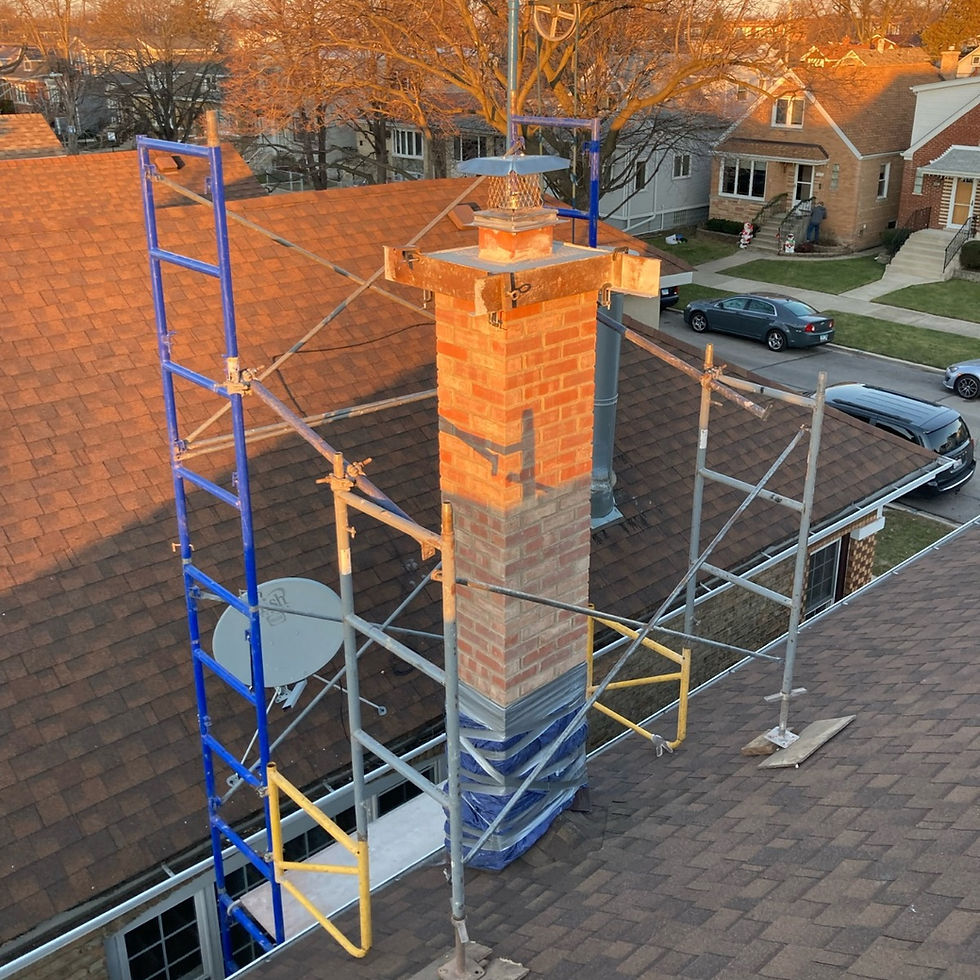
A chimney liner plays a critical role in the safety and performance of any fireplace or heating appliance. It directs smoke, gases, and heat out of the home while protecting the chimney structure from damage.
Many homeowners focus on cleaning visible soot but overlook the long-term impact of creosote accumulation. Understanding how creosote affects the lifespan of a chimney liner can help prevent costly repairs and serious safety hazards.
What Is Creosote and Why Does It Form?
Creosote is a dark, tar-like substance that develops inside a chimney during wood-burning fires. As smoke rises through the flue, it carries unburned particles, moisture, and gases. When those materials cool inside the chimney, they condense and cling to the liner walls. Over time, these deposits continue to build and become more difficult to remove.
Several factors contribute to faster creosote accumulation. Burning unseasoned firewood creates excessive moisture and smoke. Restricted airflow also encourages incomplete combustion inside the firebox. Frequent low-temperature fires further increase the amount of creosote that sticks to the liner.
The Relationship Between Creosote and Chimney Liners
Chimney liners face constant exposure to heat, smoke, and combustion byproducts. While quality liners can withstand harsh conditions, creosote creates an additional layer of stress. Thick deposits trap moisture against liner surfaces and increase the likelihood of deterioration. The longer creosote remains in place, the greater the risk of liner damage.
Creosote also interferes with proper drafting. When deposits narrow the flue passage, smoke and gases move less efficiently through the chimney. Reduced airflow creates more opportunities for additional creosote formation. This cycle can accelerate wear and shorten the liner's service life.
How Creosote Damages Clay Tile Liners
Many older homes contain clay tile chimney liners. These liners offer durability under normal operating conditions, but creosote can create serious problems over time. Moisture trapped within creosote deposits often penetrates small cracks and imperfections in clay surfaces. Seasonal freeze-thaw cycles can then expand those weak points.
Creosote fires pose another major threat to clay liners. High temperatures generated during a chimney fire can crack, shift, or completely destroy clay tiles. Even minor damage may compromise the liner’s ability to safely contain heat and combustion gases. Once cracks develop, replacement often becomes necessary.
The Impact on Stainless Steel Chimney Liners
Stainless steel liners provide excellent performance and durability. Many homeowners choose them because they resist corrosion better than traditional clay systems. However, creosote can still affect their lifespan when maintenance falls behind. Acidic compounds within creosote may attack the liner surface over time.
Heavy creosote buildup also traps moisture against metal components. Continuous exposure to moisture and corrosive residue can weaken protective properties. While stainless steel liners typically last longer than clay alternatives, they still require routine inspections and cleaning. Proper care remains essential for maximizing their service life.
Warning Signs of Excessive Creosote Buildup
Homeowners often miss early signs of dangerous creosote accumulation. Regular inspections help identify problems before significant damage occurs. Several indicators may suggest that the chimney liner needs professional attention.
Common warning signs include:
Strong smoky odors coming from the fireplace
Reduced fireplace draft performance
Excessive black residue inside the firebox
Dark, shiny deposits visible inside the flue
Smoke entering the room during operation
Unusual cracking sounds during fires
Addressing these symptoms promptly can help protect the liner and improve fireplace safety. Delaying service allows deposits to continue accumulating, increasing repair costs.
Chimney Fires and Their Effect on Liner Longevity
Creosote serves as a highly combustible fuel source inside the chimney. When temperatures rise high enough, accumulated deposits can ignite. Chimney fires often burn hotter than the liner was designed to handle. These extreme conditions can cause severe structural damage within minutes.
Even a brief chimney fire can significantly reduce the liner's lifespan. Clay tiles may crack, metal liners may warp, and mortar joints may deteriorate. Some homeowners assume the chimney remains safe after a small fire, but hidden damage often exists. A professional inspection should always follow any suspected chimney fire.
Why Routine Cleaning Extends Chimney Liner Life
Regular chimney maintenance remains one of the most effective ways to preserve liner condition. Professional cleaning removes creosote before it hardens into thick, stubborn layers. Removing these deposits reduces corrosion risks and improves airflow throughout the chimney system. Clean liners also experience less stress during normal fireplace operation.
Routine maintenance allows technicians to identify developing issues early. Small cracks, minor corrosion, and isolated damage often require less extensive repairs when caught quickly. Consistent service helps homeowners avoid unexpected liner failures and expensive restoration projects. Preventive care almost always costs less than major repairs.
Best Practices for Reducing Creosote Formation
Homeowners can take several steps to minimize creosote accumulation between professional cleanings. Better burning habits reduce the amount of residue entering the chimney. Small changes in fireplace use can have a meaningful impact on liner longevity. Consistent attention to these practices helps maintain a cleaner flue.
Burn only properly seasoned hardwood with low moisture content. Build hot fires that promote complete combustion and reduce smoke production. Ensure adequate airflow reaches the fire during operation. Schedule annual inspections to verify that the chimney system remains clean and functional.
When to Consider Chimney Liner Replacement
Even with excellent maintenance, every chimney liner eventually reaches the end of its service life. Significant corrosion, cracked tiles, and extensive fire damage often indicate the need for replacement. Continuing to use a damaged liner creates safety risks and reduces heating efficiency. Professional evaluations help determine the best course of action.
A modern chimney liner installation can improve performance and safety for years to come. New liners offer better resistance to heat and corrosive byproducts. Replacing a failing liner before it completely deteriorates helps protect the entire chimney structure. Homeowners who act early often avoid more extensive masonry repairs later.
Protect Your Chimney Liner with Professional Care
Understanding how creosote affects a chimney liner’s lifespan helps homeowners reduce the risks to their property. Regular inspections and professional cleanings help preserve liner performance and protect your home. Taking a proactive approach ensures your fireplace system continues operating safely and efficiently for years.
Ignite Chimney and Fireplace proudly serves homeowners throughout Chicago and the surrounding suburbs with expert chimney liner services, inspections, relining solutions, fireplace maintenance, and masonry repairs. Our experienced team brings more than a decade of industry knowledge to every project and focuses on long-term safety and performance for every chimney system.
If you want to protect your chimney liner and prevent costly damage from creosote buildup, call Ignite Chimney and Fireplace today and schedule a chimney liner installation consultation.


Comments